We brought this up in last week’s news, but it bears repeating: the 30% tax credit is gaining momentum once again. EBR doesn’t really get political and certainly not partisan, but news that the proposed e-bike credits are back at the 30% rate and are in Joe Biden’s 1.75 trillion dollar Build Back Better budget has to be good news. Some have carped that the $1500 e-bike credits proposed looks mean compared to the potential maximum of $12,500 that could be offered in similar tax credits to buyers of an electric car (though to qualify for this maximum figure the current proposal is that the car has to be US-made and with union labor).
But it wasn’t that long ago that most legislators – indeed most Americans – had little if any idea what an electric bike was. That they are now included in this huge piece of legislation is a sign of just how far they have come in such a short space of time.
In this week’s news::
- ICYMI: Biden’s latest budget plan offers tax credits for e-bikes
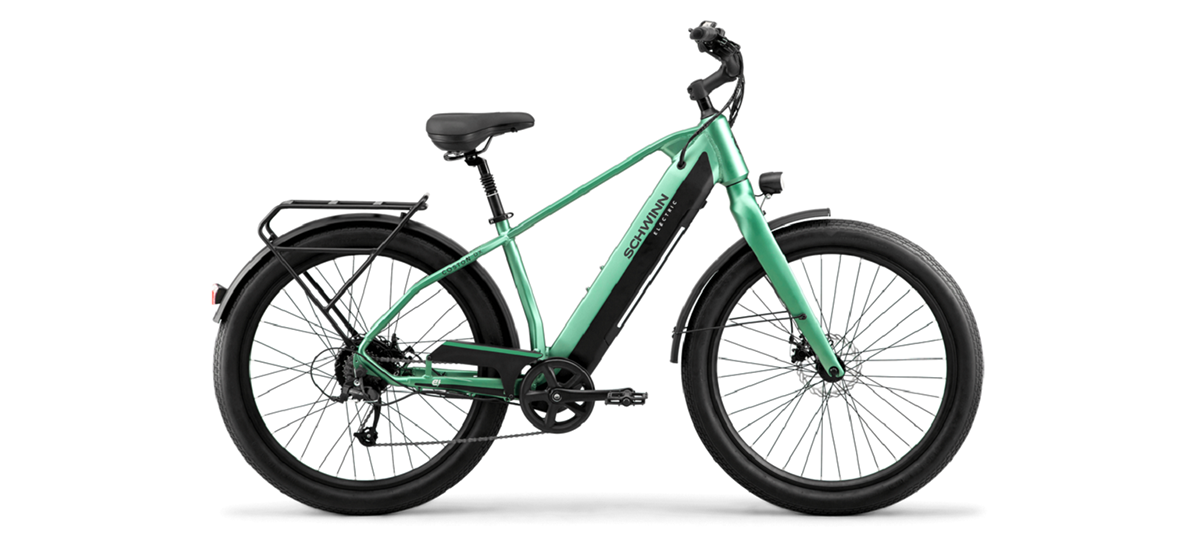
- Schwinn’s three new e-bikes now on sale
- Gazelle’s $2299 Bosch-powered e-bike announced
- Moustache’s funky mini-e-cargo bike
- 2022 e-bike holiday destinations revealed
- Are Aventon planning a US manufacturing future?