While e-bikes (especially those of higher quality) often come with IP ratings indicating their resistance to water and/or dust, protective barriers like the ZEAL Pro E-Bike Cover/Universal Bike Cover can add an additional layer of insurance to prevent such a costly investment from dirt and water damage. The reviewers at Electric Bike Report had the opportunity to try out the cover for your benefit; see what we thought in this ZEAL Pro E-Bike Cover review!

Some links may be affiliate links. We may get paid if you buy something or take an action after clicking one of these.
Denago eXC2 E-Bike Review, 2024
A value-packed entry-to-mid-level eMTB with a powerful and responsive motor.

The eXC2’s Bafang M510 mid-drive motor is one of its prominent features; it has 250 watts of nominal power and an eyebrow-raising 95 Nm of torque. This amount of output provided an easy yet thrilling ride, and helped the bike to conquer steep hills without breaking a sweat.
A more powerful motor is just one of the upgrades that justify the eXC2’s price between $3,000 and $3,500. With a larger 720 Wh battery, a wider gearing range, a color display, a sturdier suspension fork, and more – we think the bike provides solid value with a clear spec difference when compared to the base model.
This top-tier version of the bike might have a number of upgrades, but it shares a solid foundation with the eXC1. With modern geometry for comfort, cornering, and control, the design of the eXC2’s frame gives it a great feel for practical use on smoother singletrack.
We put the bike through its paces in tough desert terrain as well as in our series of standardized Speed, Range, Hill, and Brake Tests. The following Denago eXC2 review will reveal our thoughts on its results!
KBO Ranger Review, 2024
A massive battery keeps this affordable but effective cargo bike going for ages!

As befitting an e-bike with a 400-lb total payload capacity, the Ranger packs a powerful 48V, 750W rear hub motor. This allows the bike to carry a heavy load quickly, even when moving up and over hills. The Ranger ships as a Class 2 e-bike with throttle and pedal assisted speeds up to 20 mph, though it can be unlocked to travel faster.
The bike also includes an uncommonly large 840 watt-hour (Wh) battery with enough capacity to keep the bike moving for ages before needing to recharge. KBO advertises 60+ miles when using pedal assist; we evaluated this claim in the Range Test section of our KBO Ranger review below.
Many of the cargo e-bikes we’ve tested have felt long and somewhat awkward to ride without a payload, but the Ranger felt relatively nimble and was comfortable to ride solo. Its shorter-than-average wheelbase and 20”x3” street tires gave it the kind of personality we’d expect more from a versatile utility bike than a dedicated cargo hauler.
Our full KBO Ranger review covers our thoughts on the bike’s specs, features, and performance – see below for all the details!
Ride1UP Revv 1 HT vs Super73 S2 Comparison, 2024
Can an Affordable Yet Powerful Alternative Topple the Original Moto King?

If riding fast is your thing, you have no doubt heard the buzz around Super73. Following a successful Kickstarter campaign in 2016 and a myriad of celebrity collaborations, the brand has established itself as an icon in the industry. If you see a moped-style e-bike on the West Coast, it’s likely to be made by Super73. Or at least, that used to be the case.
In recent years, a host of rivals have appeared on the market to challenge Super73’s crown – perhaps none more worthy than Ride1UP. This brand may be a couple of years younger, but it has built a solid reputation on value, often releasing e-bike models that pack in highly desirable features at unheard-of prices.
We pinned a similar model from each company against each other to compare their specs, ride feel, and real-world performance. Read on in this Ride1UP Revv 1 HT vs Super73 S2 comparison to see which bike and brand is best for you.
| Ride1UP Revv 1 HT | Super73 S2 |
![]() |
![]() |
[Read more…] about Ride1UP Revv 1 HT vs Super73 S2 Comparison, 2024
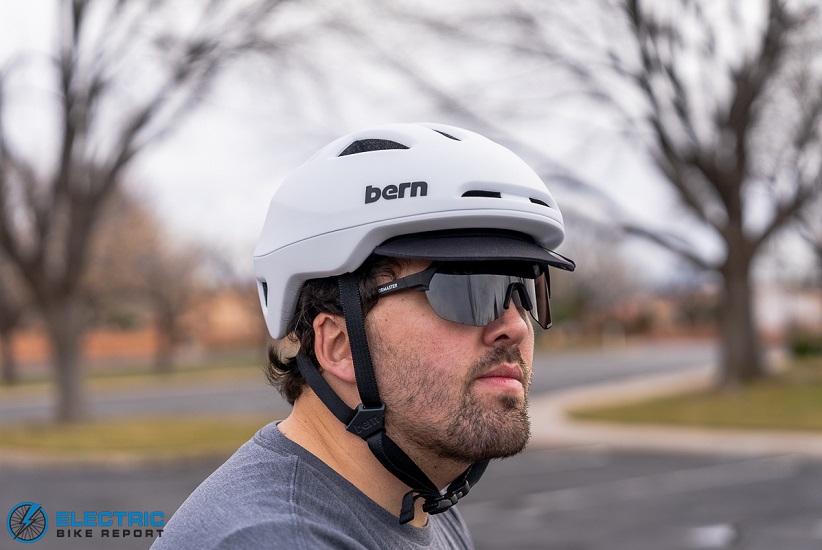
Bern Major Bike Helmet Review, 2024
A Straightforward, No-Nonsense Helmet with Style and Sun Protection

*Bern is sharing a special discount with the EBR audience. Get an additional 20% off your purchase applied at checkout when you click the button above.
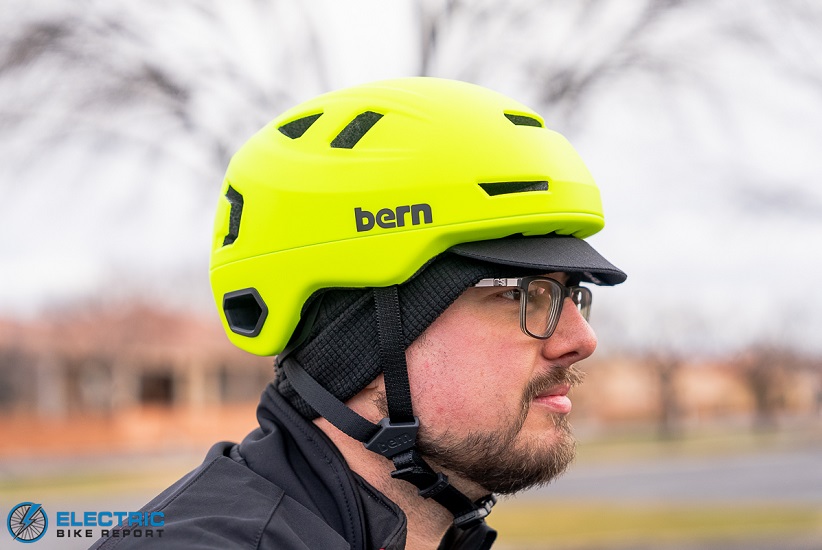
Bern Hudson Bike Helmet Review, 2024
A Flashy, Stylish, and Roomy Helmet with Impressive Safety Certifications

The Hudson’s safety features range from the ever-important MIPS (Multi-directional Impact Protection System) layer that can reduce the likelihood of concussions to NTA-8776 certification that rates the helmet for safety up to 45km/h or 27.96 mph. Additionally, the Virginia Tech Helmet Lab, which tests the concussion risk reduction value of bike helmets, awarded the Hudson its maximum rating of 5 STARs (Summation of Tests for the Analysis of Risk). The lab can’t guarantee that you won’t get a concussion – but this is as close to a guarantee as you can get.
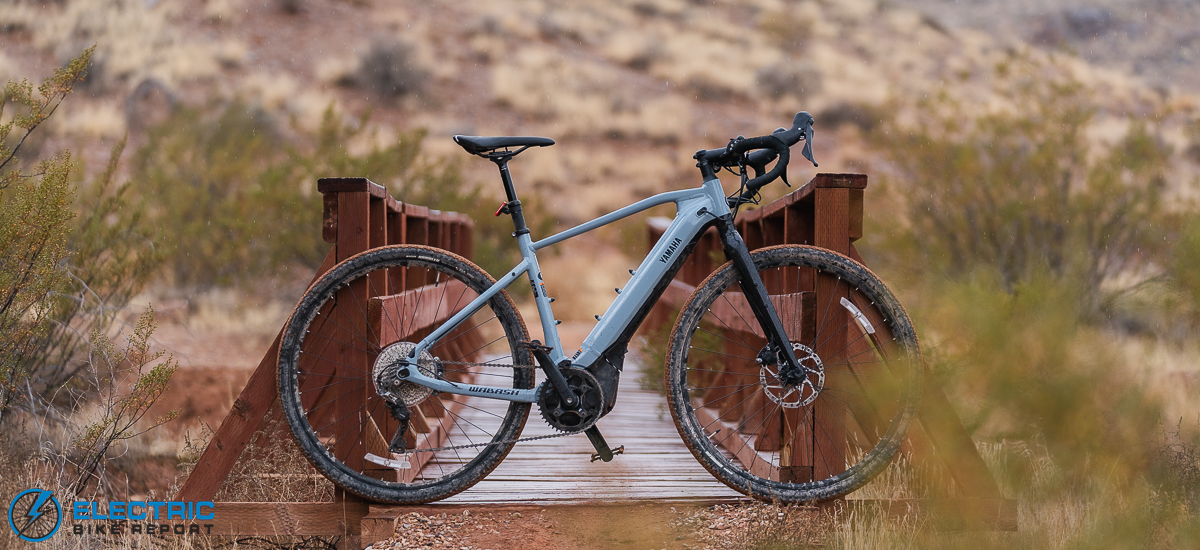
Yamaha Wabash RT E-Bike Review, 2024
This powerful, well-crafted e-bike makes gravel riding accessible and fun!

At the center of the bike’s riding experience is its PW Series ST mid-drive motor. Also made by Yamaha, this 250-watt drive unit makes pedaling easy, but preserves the analog feel of a non-electric bike. With four types of sensors to inform its motor, we think dedicated cyclists will quickly get hooked on the bike’s traditional yet powerful feel.
The Wabash RT gains other benefits from its heritage; with 30 years of experience and separate divisions for motors and batteries, Yamaha clearly knows how to maximize the efficiency of its components. The pairing of the bike’s 250W mid-drive and 500 watt-hour (Wh) battery allowed us to ride for a frankly ridiculous number of miles before needing to refuel!
When riding on doubletrack, we appreciated the stability and control granted by its flared 44cm drop bars. The drops themselves, which measure 55cm center-to-center, helped us to steer precisely while providing easy access to the brake and shift levers.
These are just a few elements that stood out to us during our time on the bike. To see how it performed in our Speed, Brake, Range, and Hill Tests, check out our full Yamaha Wabash RT review below!
How To Make Bikepacking More Enjoyable & Easier
But what can riders do when wishing to spend a night or two (or more) away from home with their bikes? On our list of the Best Electric Bikes, we named the Mokwheel Basalt the Best E-Bike for Camping. Owners of other e-bikes should not fear, though – this is where bikepacking comes in!
What is Bikepacking?
Whether using an electric or analog bicycle, just about any bike can be loaded up with gear for extended adventures. Like backpacking, bikepacking allows its enthusiasts to explore the road less traveled – but with the addition of wheels, adventurers on a bike can travel much farther than those on foot.
Bikepackers tend to travel as light as possible, often using much of the same specialized gear as their backpacking counterparts to maximize the amount of equipment and supplies they can carry. Bikepackers usually carry their gear in various bags that attach to the bike’s handlebars, saddle, frame, etc.
With bikepacking requiring such a spartan approach, riders must use careful and efficient packing techniques to keep their weight balanced, and to keep essential items accessible. Some degree of mechanical knowledge and experience is also useful, as bikepackers may need to perform repairs in remote locations far from a friendly bike shop mechanic. Thus, traveling with replacement items like innertubes is also highly encouraged.

The Burley Coho XC trailer features a yoke to attach firmly to your bike and a single-wheel design to handle difficult terrain.
Bikepacking With an E-Bike
E-bikes offer some distinct advantages over traditional bicycles when used for bikepacking, but they also come with specific limitations.
On one hand, e-bikers are less likely to feel the effects – namely, exhaustion – of added weight due to the assistance offered by their bike’s motor. Riders of e-bikes can also take advantage of their throttles to take a break from pedaling, though this leads us to one of the tradeoffs that bikepackers on analog bikes needn’t be concerned with.
For starters, many off-road trails do not allow e-bikes, so route planning with this in mind is essential. More specifically, however, e-bikepackers need to consider the battery life and range of their e-bike. With the addition of extra weight, an e-bike’s motor will need to draw more power from the battery, thereby reducing the distance an e-bike can travel on a single charge. Riders using their throttle will deplete battery charge even faster!
For this reason, it is recommended that e-bikepackers use the lowest pedal assist system (PAS) setting possible to get the most from their batteries. We also suggest doing a test ride with a fully-loaded bike to get a sense of the distance the bike can travel before running out of juice. The Range Tests we perform in each of our e-bike reviews can be a good starting point, but considering that our range testers are relatively light (the 150 lb. range), our data is less likely to be accurate with a heavier load.
For extended trips beyond the range of a single charge, e-bike adventurers should plan their route carefully depending on their anticipated method of charging. Awareness of potential charging locations is paramount, as is knowledge of how long your battery takes to charge. To determine the number of hours this will take, divide the amp-hour rating of your battery by the amperage of the charger. Easy peasy!
Those spending their nights indoors – perhaps in motel rooms or on a friend’s couch – shouldn’t need to worry about where they’ll plug in, and for those who prefer sleeping under the stars, electricity is often available in many campgrounds. A conveniently-located coffee shop may work in a pinch if you find yourself running low on charge; a couple of hours of topping up might make the difference when your destination is still a ways out.
For shorter trips, staying within your e-bike’s range is key, but bringing a second battery may be an option to consider, even if only for added peace of mind. And if your e-bike is light enough, pedaling without the motor can extend your charge or get you home if your battery expires.

A coil suspension on the Coho’s wheel helps to prevent cargo from bouncing around (or out of the trailer entirely).
What Type of E-Bike is Best for Bikepacking?
Truthfully, just about any e-bike with a traditional frame design and good control (moped- or beach-cruiser-style e-bikes may not be the best fit) can be adapted for bikepacking with the right equipment. This might include tires appropriate for any off-road riding your route requires and gear bags that are (ideally) weatherproof.
While cargo or utility e-bikes may seem like an obvious choice for bikepacking, they may not always be the best option for off-road environments. Those looking for a comfortable ride might consider an eMTB or all-terrain e-bike with a full suspension, but dedicated bikepackers often stick with rigid frames. The static forks on these bikes can hold more gear, and some even include pack mounts for bags and bottle cages.
If you’re interested in bikepacking, we recommend starting with short trips using the equipment you have, learning from your experience, and making upgrades as needed. Research is important, too, and REI has some helpful guides to get you started on your adventures.
But what if you don’t have any of the specialized, lightweight equipment that bikepackers often use? Or what if you’re the type of person who tends (or prefers) to overpack when traveling?
With the addition of a trailer such as the Burley Coho XC, nearly any e-bike can essentially be transformed into a cargo bike!

The Coho XC’s yoke includes a quick-release lever to connect or disconnect in mere seconds.
Considerations When Adding a Trailer to Your E-Bike
Trailers like the Coho XC can vastly increase the amount of equipment you can transport on your adventures and they can remove the hassle of having to pack methodically, but there are some key considerations to be aware of when attaching one to your e-bike.
Weight capacity is one of the most important elements to keep in mind. Every e-bike is rated to carry a maximum amount of weight; this is often referred to as the total payload capacity. This number includes the weight of the rider (sometimes also listed separately as maximum rider weight), any cargo secured directly to the bike, and – when towing a trailer – the weight of the trailer itself and any gear it holds.
Sticking to the bike’s total payload capacity is essential for the health and longevity of its motor. With too much weight, the motor can become overheated and overexerted; when pushed too far, this can cause it to fail completely. All brands should include their e-bikes’ weight limit either on their webpage or in the owner’s manual, but you can reach out directly to them if this information is not readily available.
The next thing to consider is the axle on your e-bike, which may also be affected by the type of motor it uses – we discuss the two types of motors in our throttle vs. pedal assist article. In our experience, the Burley Coho XC trailer worked best on e-bikes with mid-drive motors; we used the Coho Thru Axle on the Specialized Turbo Tero X 5.0. Owners of e-bikes with rear-hub motors may have better luck with the Burley Nomad, a hitch-mounted trailer with the option to slide on skis instead of its two wheels.
Whether your e-bike uses a bolt-on axle or a thru axle, Burley has an axle guide for the Coho XC to help you determine which accessories you’ll need to properly mount the trailer so you don’t run into the same problem we did!
Finally, it’s important to be aware that the addition of a trailer and cargo will change your e-bike’s handling. A trailer will add length, and may potentially impact its turning radius. With added weight, the bike will move slower, and may feel less balanced. To reduce the likelihood of balance issues, proper packing techniques are essential; the heaviest items should be placed at the front (bike side) of the trailer, and the weight of all cargo should be distributed evenly from side to side

Burley offers optional storage bags as well as a bungee net to keep up to 70 lbs of gear secure.
Bikepacking With the Burley Coho XC Trailer
We tested the Coho XC trailer and found it remarkably easy to use once the axle was set up properly. On the Specialized Turbo Tero X, it took about 20 minutes to properly remove the existing thru axle, replace it with the Coho XC thru axle, connect the trailer, and make a few fit adjustments.
We learned that the trailer’s connection mechanism was secure, yet incredibly simple; once the axle was installed, we had only to spread the yoke of the trailer to fit, press it into place on the connectors, and check that it was locked on. Removing it was just as easy with a pull of the quick-release lever. We also adjusted the height of the trailer’s highly effective kickstand for proper stability by selecting one of the three positions for the kickstand stop.
We loaded up the trailer with about 40 lbs of weight and went on our way, taking the bike and trailer on asphalt, dirt, and gravel. Even when riding in the open desert with rocks and plenty of bumps, the trailer did well. The single wheel allowed the Coho XC to adapt to the terrain more easily than a two-wheeled trailer would have. Its fender protected our cargo from dirt when riding through mud, and its suspension kept our gear from getting tossed around as we rode over rough ground.
For those who plan to go bikepacking in difficult, less stable terrain, Burley offers an optional fat tire for the trailer with off-road tread. Other accessories, like their Trailer Storage Bag or Dry Bag seem like excellent inclusions as well, though we did not have the opportunity to try them. We did test the optional Cargo Bungee Net, which connected and disconnected from the frame easily, and stayed fastened despite the rough test rides.
Overall, we were highly satisfied with the Burley Coho XC’s performance, its ease of use, and its ability to create new possibilities for e-bike use. Considering the trailer’s practical design and functionality, we think it’s well-made and well-worth its price of about $500 – especially if it’s something you’ll use regularly.

The included tire has minimal tread for low rolling resistance, but Burley also offers a 16” fat tire with off-road tread for rougher adventures.
E-Bike Trailers Can Give You More Freedom
If you’re thinking of diving into e-bikepacking as a new pastime and you want the flexibility to haul a fair amount of gear, we highly recommend considering the Coho XC as a traveling companion. We might also suggest considering some of Burley’s optional accessories to keep your equipment protected from the elements, and we think the Bluetti AC200P Power Station might be a useful method of recharging on the go if you’re able to carry most of your gear elsewhere (it’s relatively heavy but awesome).
When using an e-bikepacking-appropriate trailer like the Burley Coho XC, the sky is truly the limit as long as you have food, water, and a way to refuel your battery!
Super73 S2 Review, 2024
A super speedy and fun moped-style e-bike from an iconic brand – enough said!

Like a Starbucks latte, a MacBook Pro, or a pair of Air Jordans, there’s often a certain je ne sais quoi when it comes to name brand products. Since 2016, Super73’s moped-style e-bikes have become ubiquitous on the West Coast, planting the brand firmly as a recognizable manufacturer. They tend to turn heads for their aggressive and appealing designs – and the S2 is no different!
The bike ships as a Class 2 with its throttle and pedal assist system (PAS ) limited to 20 mph. To suit the needs of different riders, the S2 can be adjusted through the Super73 app to a Class 1 with no throttle or Class 3 with pedal assist up to 28. Users can also set the bike to an Off-Road Mode, allowing both the throttle and PAS to reach 28 mph.
We found the bike decidedly fun to ride at top speed, but we also appreciated its simplicity. With a single-speed drivetrain and just 4 PAS settings, selecting the right amount of power is easy for those who choose to pedal. But, of course, the bike also includes a throttle for an effortless ride!
Read our full Super73 S2 review below for more.
Denago eXC1 E-Bike Review, 2024
A budget-friendly but powerful entry-level eMTB with tons of upgrade potential.

One of the most impressive elements of the bike was its mid-drive motor. The 250-watt Bafang M410 delivered smooth and responsive power when we needed it to facilitate climbing and quick acceleration. It met – and exceeded – our expectations for a cost-friendly but still robust mid-drive.
We were also highly satisfied with the bike’s geometry. A slackened head tube angle kept the bike feeling stable, a steeper seat tube angle made climbing more effective, and a longer reach made riding in ready position feel balanced and controlled. Overall, the bike felt well planted on doubletrack and light-to-moderate singletrack.
Considering the eXC1’s specs and ride feel, we would have expected it to be more costly. With a price point between $2,500 and $3,000, we think Denago built a solid foundation that provides excellent bang for the buck. So how did the bike perform in the real world?
Read on in our Denago eXC1 review below to find out!