NYC Orders Online Sellers to Stop Shipping Illegal E-Mobility Devices, Trek Turns 50, China’s Battery Tax May Raise E-Bike Prices │ TWR Ep 96
Aug 16, 2026
 0 Comments
 Share
Share
Plus 17 New E-Bike Proposals Headed to the NYC Council, the Urban Arrow Breeze Longtail Lands in North America, Italy’s Latemar Ronda Route, & More!
New York City had a busy week in e-bike news, and it starts with a warning shot at retailers. The city sent notices to more than 40 online sellers, including Amazon, Temu, Target, and Walmart, telling them to stop shipping illegal high-speed devices to NYC addresses. Sales that continue could cost $2,000 apiece, and riders could have their bikes impounded. Is this the right way to get dangerous machines off city streets?
Trek hit a milestone this week, celebrating 50 years since it started building frames in a barn in Waterloo, Wisconsin. The company turned out 904 frames in its first year. It also built one of the earliest e-bikes many of us remember, the 1999 ElecTrek, a 55-pound machine with a 20-mile range. How far has the category come since then?
There’s less welcome news on the battery front. China is ending an 11-year consumption tax exemption on lithium-ion batteries, with a 2% tax starting this September and a bump to 4% in 2027. Sodium-ion and solid-state batteries get an exemption instead. Since e-bikes still run almost entirely on lithium-ion, what does that mean for what you’ll pay?
Back in New York, the City Council is preparing to take up 17 separate e-bike proposals at a September 30th hearing, covering everything from a ban on Class 3 sales to new requirements for delivery platforms. One thing is notably missing from the list, and we think that’s a good sign. Can you guess what it is?
We also dig into the Urban Arrow Breeze, the brand’s new longtail cargo bike now available in the US and Canada, plus this week’s questions, deals, and reviews. Read below or watch and listen above to get the full story.
Sponsor
Sponsor
This Week’s E-Bike News Headlines
New York City Issues Cease-and-Desist Orders to Online Sellers of Illegal E-Mobility Devices
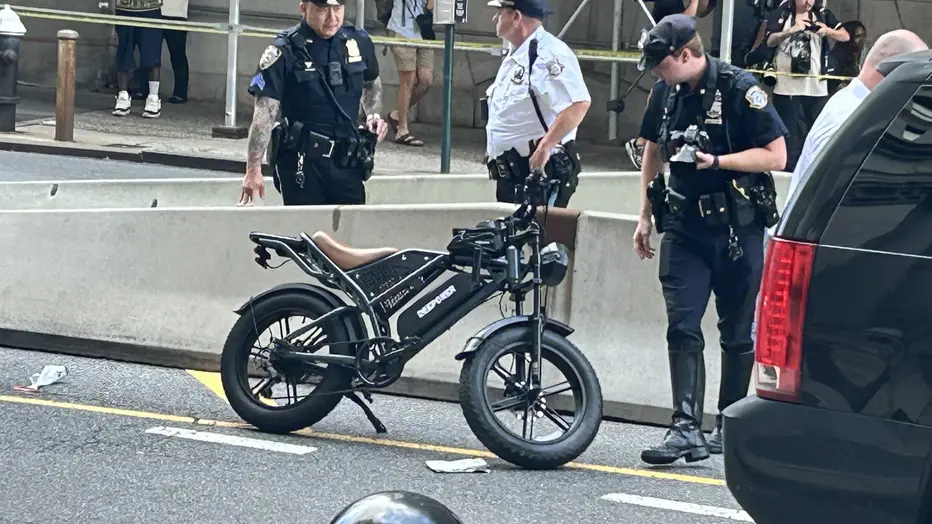
New York City law is fairly specific about what’s allowed on its streets. E-bikes are capped at 750 watts and 25 mph. Electric scooters can go up to 20 mph and weigh no more than 100 pounds. Mopeds have to display a VIN.
This week, Mayor Zohran Mamdani announced that the city will take legal action against retailers selling motorized devices that exceed those limits. Notices went out to more than 40 online retailers, including Amazon, Temu, Target, and Walmart, instructing them to stop selling non-compliant devices to NYC residents. Retailers that ignore the notice face fines of up to $2,000 per sale. Owners of illegal vehicles can also have them impounded.
In his statement, Mamdani said the city is putting online retailers on notice and will use every tool available to make streets safer for people who walk, bike, drive, or ride. He added that the promise of getting home safely gets harder to keep when companies profit from knowingly selling illegal, high-speed vehicles.
The numbers behind the action come from the Mayor’s Office. Between 2017 and 2025, 45 deaths involved illegal e-bikes, accounting for 54% of e-bike-related fatalities in that window. Another 14 deaths involved illegal electric scooters, or 52% of scooter-related deaths over the same period.
Amazon has already responded, saying it will work with the Mayor’s Office on the issue. A company spokesperson said safety is a top priority and that e-bikes sold on the platform are required to meet applicable safety standards and Amazon policies.
Our Take:
We’ve watched a number of states crack down on high-speed electric motorcycles and similar devices this year, so it isn’t surprising to see a city the size of New York do the same thing.
On balance, this is a good move. But it’s only part of the equation. Keeping high-speed e-motos out of the sales channel doesn’t do much if riders don’t understand the rules or choose to ignore them. Getting people to ride responsibly starts with education, and that piece still isn’t getting the attention it deserves.
Trek Celebrates 50 Years, Retailers Look Back on Good Times
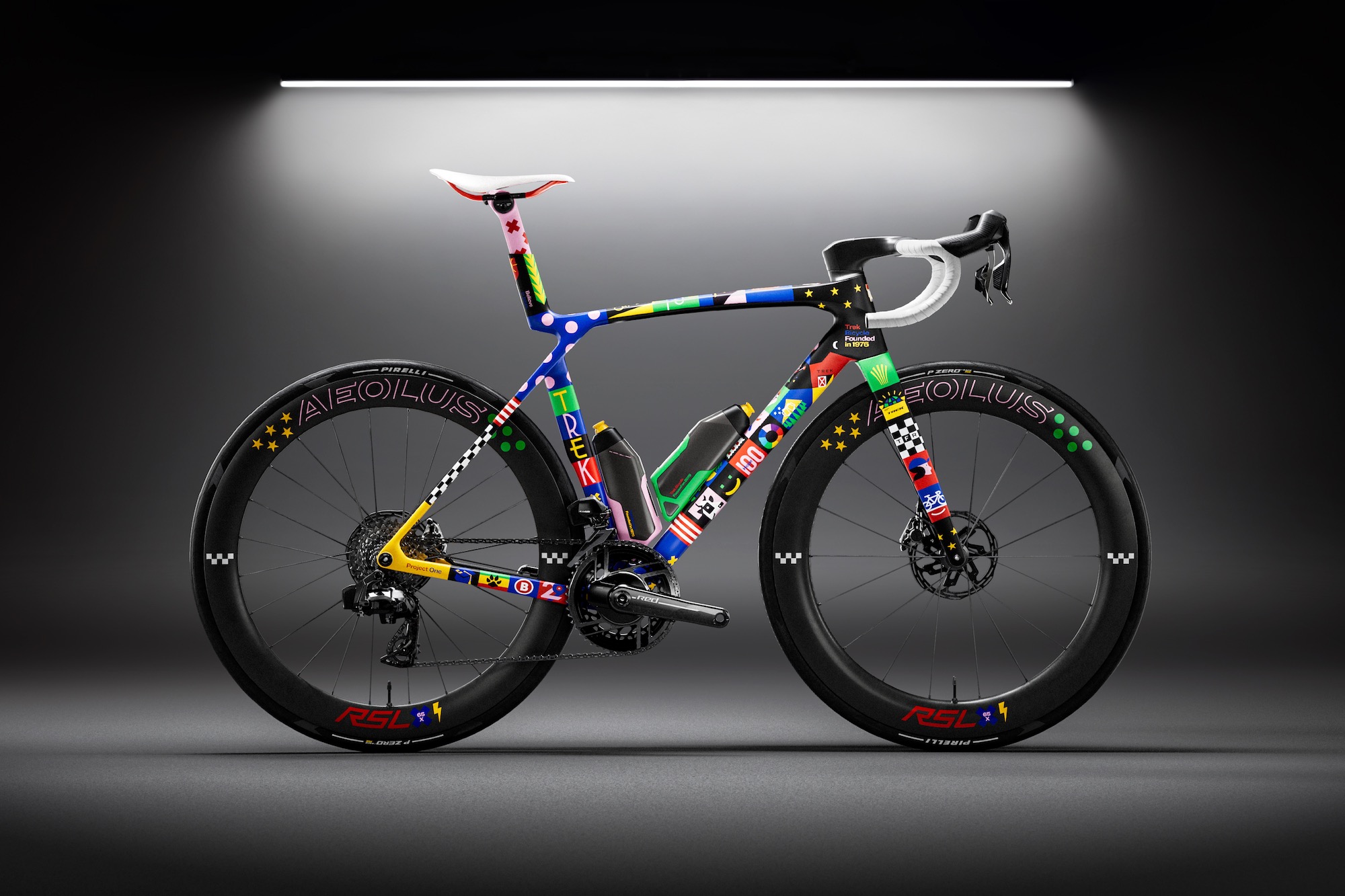
Image Source: Trek
Trek threw a party this week to mark 50 years in the bike business. The company was founded in 1976 in a barn in Waterloo, Wisconsin, and built 904 frames in its first year.
Half a century later, Trek is one of the largest and most storied brands in cycling. Along the way it has produced some genuinely important bikes and played a real part in pushing infrastructure and access forward.
One of those bikes was the 1999 ElecTrek. It weighed 55 pounds, ran a Yamaha PAS system, and had a 20-mile range.
Our Take:
Looking at the ElecTrek is a good reminder of how far this category has come. Today’s e-bikes are almost unrecognizable next to it, but bikes like that one are where all of this started.
Congrats to Trek. Here’s to 50 more years.
China’s Consumption Tax on Lithium-Ion Batteries Will Likely Raise E-Bike Battery Prices
For the last 11 years, lithium-ion batteries have been exempt from China’s consumption tax. That’s ending. The Chinese Ministry of Finance, the General Administration of Customs, and the State Taxation Administration have announced a 2% tax on lithium-ion batteries beginning in September of this year, rising to 4% in September of 2027.
The move is intended to push manufacturers toward newer, cleaner technologies. Sodium-ion and solid-state batteries will now be exempt from the tax instead.
E-bikes still run almost entirely on lithium-ion, so the industry will likely see small price increases in the near future. Solid-state batteries have been teased for e-bikes for a while, but progress has been slow. Ride1Up has an upcoming model with a semi-solid-state battery, and that’s about as far as production bikes have gotten.
Sodium-ion isn’t a quick fix either. Sodium-ion packs currently have to be larger and heavier than lithium-ion packs of the same capacity, so a big shift toward that chemistry isn’t likely soon, even though sodium batteries are non-combustible and cheaper to produce.
Our Take:
These costs land on top of the tariff-related price increases the industry has absorbed over the past few years, which is the part that stings.
We’d like to see solid-state technology take off, and raising the price of current tech to get there is unfortunate for buyers right now. Still, it will be interesting to watch whether other forms of support for solid-state batteries follow.
New York City is Preparing To Discuss A Host of E-Bike Laws and Restrictions

Image Source: Road.cc
This one is related to the cease-and-desist story above, but it’s a separate effort. The New York City Council has 17 proposals on the table. Among them are plans to ban the sale of Class 3 bikes, require delivery companies to obtain commercial licenses and carry additional insurance, and draw a legal line between e-bikes and e-motos and similar devices.
There is no proposal to require e-bike registration.
The Council says it’s aiming to place responsibility on delivery platforms like Grubhub and DoorDash rather than on the individuals working for them. Many of the bills are built around separating e-bikes from other e-mobility options.
The Council announced this week that it will hold a hearing on September 30th to examine e-bike and e-scooter safety, discuss potential legislative action, and review how the city is enforcing existing laws. Testimony will come from city agencies, transportation and public safety experts, advocates, workers, and members of the public.
Our Take:
Clear definitions separating e-bikes from e-motos are the key piece here, and getting that right would be a positive development.
Beyond that, we have to wait and see what the Council decides. There are a lot of topics in play, and it’s tough to call what actually lands.
We’re glad a registration requirement isn’t among them. As New York City works through this, we’d like to see the city stick with the existing three-class system that most of the country has adopted. Standardization across all 50 states would be ideal for the industry, which is, again, why we keep asking for regulation at the federal level.
Urban Arrow Releases the Breeze Longtail Cargo E-Bike in North America
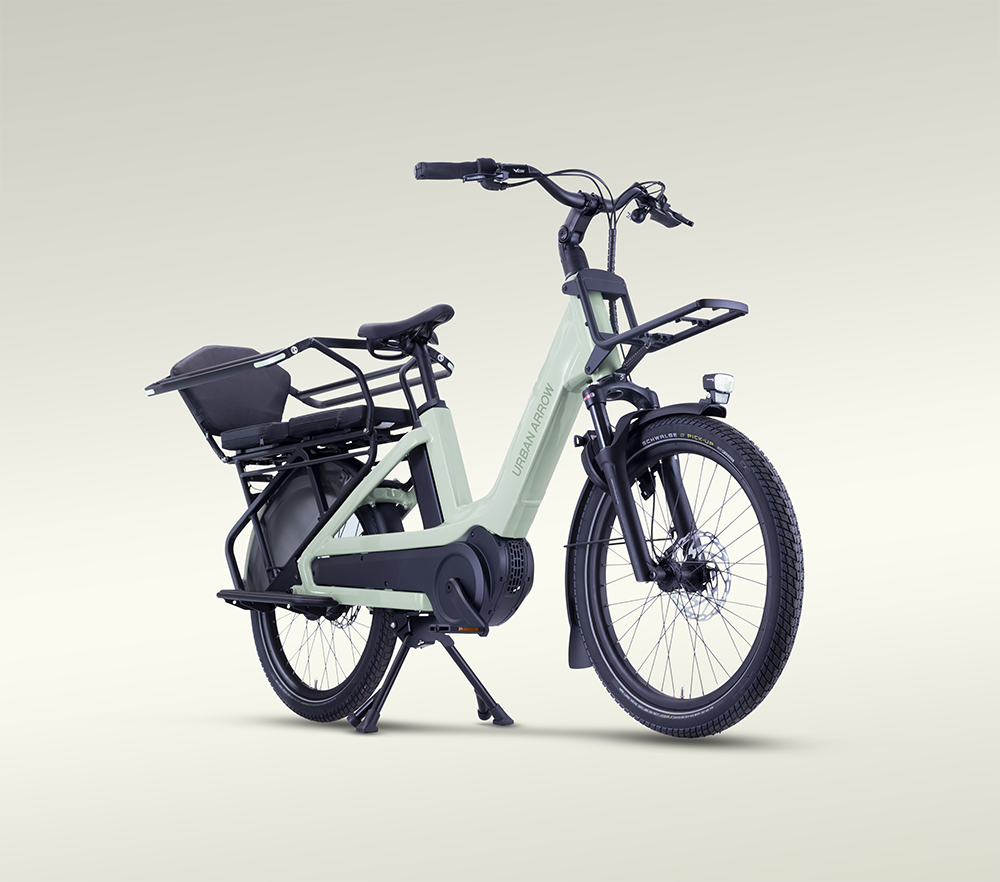
Image Source: Urban Arrow
We covered this model’s European release back in October 2025. It’s now available in both the US and Canada, and we have more details to share.
Urban Arrow is a premium brand best known for its front-loading cargo e-bikes. The Breeze is meant to be more compact and maneuverable, with a setup that suburban riders here will find easier to live with.
Mark Danhof, General Manager of Urban Arrow North America, noted that longtails make up the majority of the North American e-cargo market, and said the company is bringing its family cargo bike experience into that segment for riders who value safety, durability, and long-term reliability.
The spec sheet is strong. The Breeze rolls on 24″ wheels and runs a Bosch Cargo Line mid-drive, which Bosch lists at 750W peak and 120 Nm of torque. Shifting is handled by an Enviolo CVT paired with a Gates Carbon belt, so maintenance stays low. The step-thru frame is rated for a 440-pound payload with up to 176 pounds on the cargo rack, and both the front and rear racks are MIK-HD compatible.
It also comes with spoke and belt guards, a front lock, and storage for a chain lock. Pricing is $6,999, and a limited-time promotion adds cargo and passenger accessories including footrests, seat cushions, a handrail, and a front rack, a package valued at $700.
Our Take:
The components and the price put this squarely in premium territory, so the Breeze is going to appeal to a fairly niche audience.
For the riders in that group, though, there’s a reason Urban Arrow sits alongside Tern as a gold standard in this category. We’d love to put one through our testing, so if anyone at Urban Arrow is watching, send it our way.
Sponsor
You Asked, We Answered. Questions Covered In The Weekly Recharge
- Is the Tern HSD P10E worth its price when you could buy more than two Lectric XPedition 2 cargo bikes for the same money?
- How far can the dual-battery Juiced Scrambler HT go on throttle alone?
- Should you buy the Monarc Marker or the Ride1Up Vorsa FT?
E-Bike Deals Found This Week
- Specialized
- Turbo Vado SL 2 6.0 Carbon – $1,000 off, down to $5,400. A remarkably natural-feeling and nimble commuter.
- Turbo Vado 3.0 – $900 off, down to $2,100. The alloy version with a step down in specs, and one of the lowest-priced models we’ve ever seen from Specialized.
- Mokwheel
- Basalt – $300 off, down to $1,500. A dependable, powerful fat tire e-bike, compatible with solar panels and a power inverter.
- Obsidian – $300 off, down to $1,900. Full-suspension all-terrain fat tire e-bike with the same power station capabilities.
- Velotric
- Nomad 2 – $150 to $250 off, depending on color and frame size. Comfortable, rugged fat-tire e-bike.
- Summit 1 – $200 off, down to $1,799. 1st gen off-road-friendly hybrid/SUV e-bike.
- Fold 1 Plus – $50 off, down to $1,449. Versatile, customizable folding e-bike.
Make sure to tune in to the full episode to see the e-bike trail system highlight and rider of the week! Want to be featured in future episodes? Comment on any YouTube video or page of the website, or send to [email protected].
Sponsor
*Please help support our efforts at Electric Bike Report. We work hard to provide the highest quality content, news, and reviews for our readers – and our sponsors make all of this possible. Please visit our sponsors from their ads on our website and let them know that you appreciate what they do for the e-bike industry and Electric Bike Report
Sponsors
Sponsor
Reader Interactions
Leave a Reply